
January 21, 2026
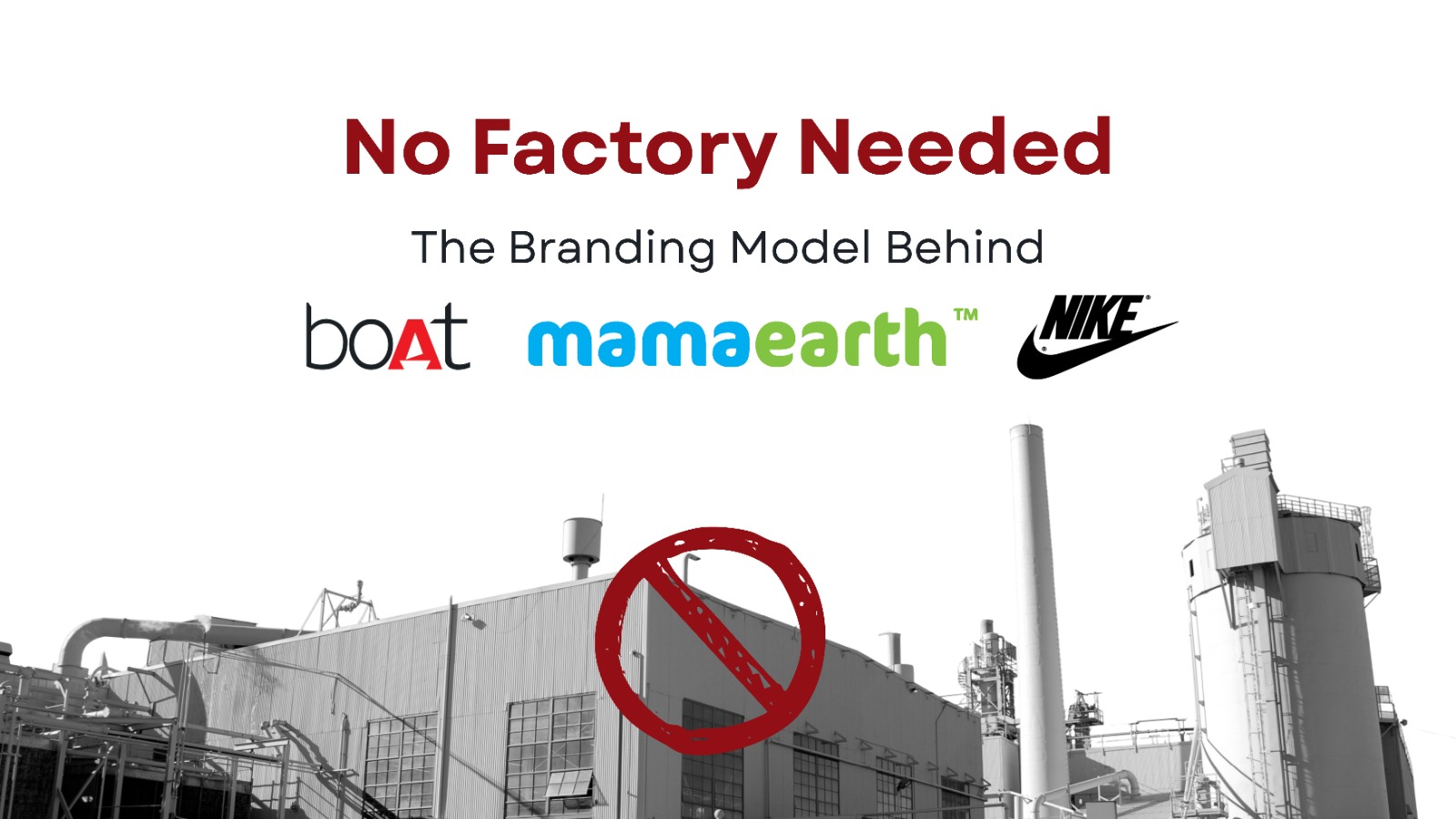
The biggest myth in business today is that owning factories, machines, or manufacturing plants is the key to building a powerful company.
In reality, some of the world’s most successful brands don’t manufacture most of what they sell.
They own something far more valuable than factories.
They own attention, trust, perception, and loyalty.
Brands like boAt, Mamaearth, and Nike have built billion-dollar businesses by focusing less on production and more on branding, storytelling, and customer experience.
This blog breaks down how the “no factory needed” model works, why it’s winning, and how modern businesses can apply the same principles with support from a best branding agency in Ahmedabad like 1928 Creative Studio.
The Shift: From Manufacturing Power to Brand Power
In the past, owning production meant controlling cost, quality, and supply. Factories were strategic assets.
But the digital economy changed the rules.
Today:
- Manufacturing can be outsourced
- Logistics can be handled by third parties
- Technology levels the playing field
What can’t be outsourced easily is:
- Brand identity
- Emotional connection
- Customer loyalty
- Market positioning
Factories depreciate over time.
Brands, when built right, appreciate.
That’s why modern companies invest heavily in branding long before they think about building infrastructure.
The Real Asset Is Perception
Most customers don’t buy based on raw specifications. They buy based on:
- How a brand makes them feel
- How it fits into their identity
- How much they trust it
- How memorable it is
If two products are similar in function, branding becomes the deciding factor.
This is where the real competitive advantage lies.
boAt: Building a Lifestyle, Not Just Gadgets
boAt entered a crowded electronics market filled with global giants. Competing on technology alone would have been impossible.
Instead, boAt competed on brand personality.
What boAt Focused On
1. Youth-Centric Identity
boAt built a brand that speaks directly to young Indians. The tone is bold, fun, and energetic.
2. Style Over Technical Obsession
Rather than positioning itself as the most technical brand, boAt emphasized design, color, and lifestyle appeal.
3. Influencer and Culture Marketing
Music, pop culture, memes, and social media became core to the brand’s voice.
4. Outsourced Manufacturing, Owned Branding
The company didn’t need factories to scale. It needed strong storytelling and a consistent identity.
boAt didn’t sell earphones.
It sold attitude, belonging, and aspiration.
Mamaearth: Selling Trust, Not Just Personal Care Products
The personal care market is saturated. Hundreds of brands sell shampoos, creams, oils, and skincare.
Mamaearth cut through the noise by branding around values and trust.
Mamaearth’s Branding Strategy
1. Storytelling With Purpose
The brand started with a real problem: parents searching for safe products for their children.
2. Clean, Natural, and Safe Positioning
Mamaearth didn’t just sell products. It sold peace of mind.
3. Purpose-Driven Brand Identity
Planting trees, toxin-free claims, and sustainability became central to its narrative.
4. Community and Reviews
Mamaearth leveraged digital platforms, user testimonials, and influencers to build credibility.
Manufacturing supported the business.
Branding drove the growth.
The real product was trust.
Nike: The Global Blueprint of Brand-Led Success
Nike is the ultimate example of brand power.
It doesn’t own most of its factories.
Yet it dominates the global sportswear market.
Why?
Because Nike sells belief, motivation, ambition, and identity.
Nike’s Branding Playbook
1. Emotion Over Features
Nike ads rarely talk about shoe specs. They talk about dreams, effort, and perseverance.
2. Powerful Brand Assets
The swoosh logo and “Just Do It” slogan are instantly recognizable worldwide.
3. Athlete Storytelling
Nike associates itself with icons, turning athletes into symbols of inspiration.
4. Complete Brand Consistency
Every touchpoint, from packaging to retail to social media, feels unmistakably Nike.
Nike could change factories tomorrow and remain Nike.
Lose the brand, and nothing else matters.
The Common Pattern: Own the Brand, Outsource the Rest
Despite being in different industries, boAt, Mamaearth, and Nike share the same foundation:
They outsource production but own the story.
They focus on:
- Clear positioning
- Emotional connection
- Consistent messaging
- Strong visual identity
- Long-term brand equity
They understand that products can be copied, but brands are hard to replicate.
Why the No-Factory Model Works So Well Today
This model thrives because of modern business realities:
1. Manufacturing Is Easier Than Ever
Global suppliers and private-label partners allow brands to scale without owning plants.
2. Digital Marketing Rewards Brand Recall
On social media and eCommerce, the brands people recognize win attention faster.
3. Emotional Loyalty Beats Price Wars
Customers stay loyal to brands they emotionally connect with, even if cheaper alternatives exist.
4. Scalability Without Heavy Assets
Brand-led companies scale faster because they’re not limited by infrastructure costs.
What This Means for Indian Entrepreneurs and Businesses
You don’t need:
- A big factory
- Heavy machinery
- Massive capital
You need:
- A clear brand identity
- A strong story
- Consistent design
- Strategic positioning
A strong brand lets you:
- Charge premium pricing
- Build customer loyalty
- Expand into new product categories
- Compete with bigger players
This is why businesses today increasingly work with the best branding agency in Ahmedabad to build a strong foundation before scaling operations.
The Role of 1928 Creative Studio in Brand-Led Growth
1928 Creative Studio focuses on helping brands build long-term value through strategy-first branding.
Instead of treating branding as “just design,” the approach centers on:
- Brand positioning
- Messaging strategy
- Visual identity systems
- Storytelling frameworks
- Digital brand presence
What a Branding-First Approach Looks Like
1. Defining What You Stand For
Before colors or logos, the brand’s purpose, mission, and voice are clarified.
2. Building a Recognizable Identity
A visual system that feels premium, memorable, and consistent.
3. Creating a Strong Brand Voice
Every caption, ad, website page, and campaign speaks in one unified tone.
4. Designing for Scalability
The brand is built so it can expand into new products, markets, and platforms seamlessly.
This is the same mindset behind Nike’s storytelling, Mamaearth’s trust-based positioning, and boAt’s youth-centric identity.
Different size. Same strategy.
Branding Is a Business Strategy, Not a Design Expense
Many companies treat branding as an afterthought.
In reality, branding affects:
- Sales
- Customer retention
- Hiring talent
- Investor confidence
- Market valuation
A strong brand:
- Reduces customer acquisition cost
- Improves word-of-mouth
- Increases perceived value
- Builds long-term resilience
That’s why investors often value brand equity more than physical assets.
The Long-Term Advantage of Brand Ownership
Factories wear out.
Technology becomes outdated.
Products get replaced.
But brands, when nurtured, become timeless assets.
A powerful brand allows you to:
- Launch new products easily
- Enter new markets faster
- Survive economic downturns better
- Command customer loyalty beyond logic
This is the real moat in modern business.
Lessons You Can Apply From boAt, Mamaearth & Nike
1. Start With Positioning, Not Production
Know who you’re for and why you exist.
2. Build Emotional Connection
People remember how brands make them feel.
3. Stay Consistent Everywhere
From packaging to social media, your identity must feel unified.
4. Invest in Brand Before Scaling Operations
A strong brand makes growth easier and cheaper.
5. Think Long-Term, Not Transactional
Brand building compounds over time.
Final Thought: You Don’t Need a Factory, You Need a Story
The future belongs to brands that control mindshare, not just manufacturing.
boAt, Mamaearth, and Nike prove one thing clearly:
You don’t need factories to build an empire. You need a powerful brand.
If you want to build a business that scales, commands premium value, and stands out in crowded markets, focus on brand-first thinking.
Because in the modern economy, your brand is your real factory. And building that brand with the best branding agency in Ahmedabad, like 1928 Creative Studio can be the difference between being just another product and becoming a category-defining name.